5 February 2026
Mid Year Insight Report: Modernising Work Experience Across Greater Essex
Mid‑Year Insight Report: Modernising Work Experience Across Greater Essex
At the halfway point of the academic year, the Greater Essex Careers Hub’s Work Experience Project is gathering momentum and generating the insight needed to move towards a more consistent, meaningful, and inclusive work experience offer across the region.
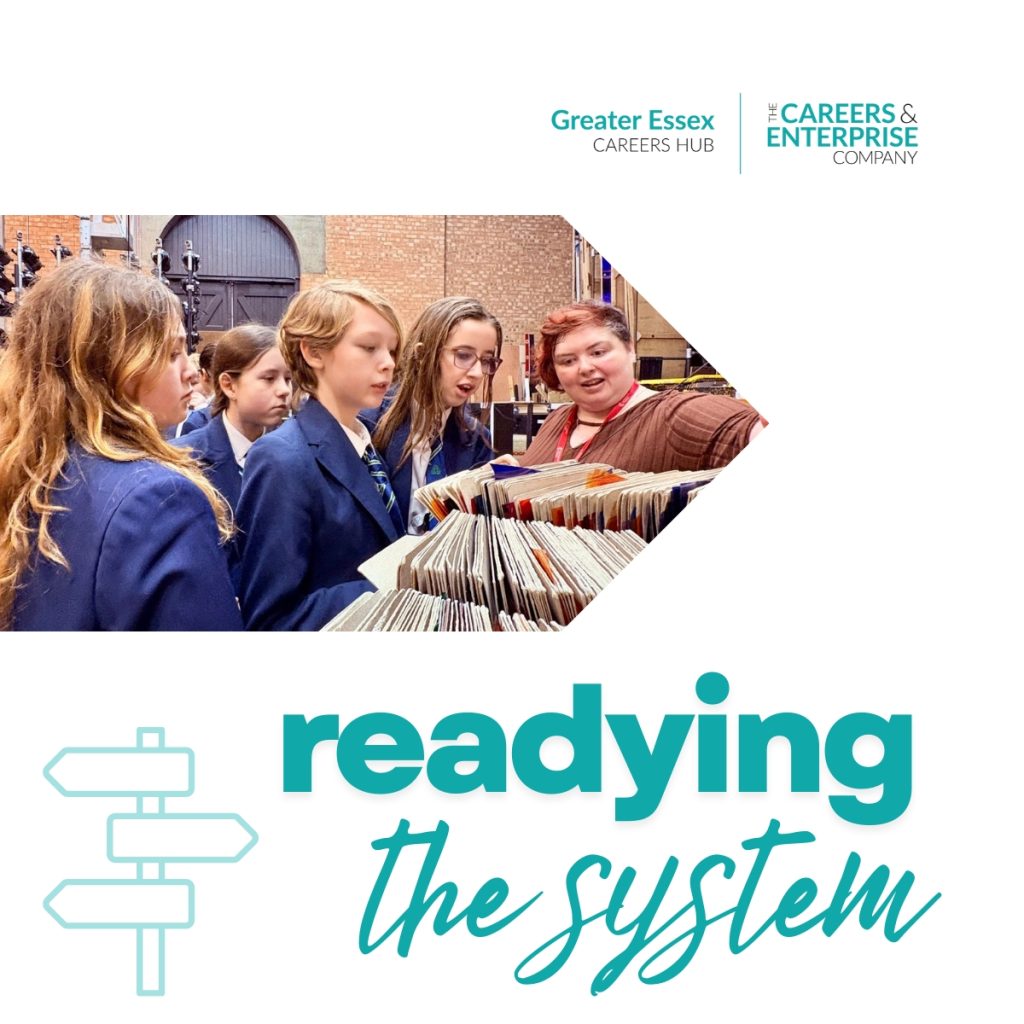
The Cornerstone Group will play an important role in supporting the newly formed WEX Working Group later this year, and the groundwork taking place now is paving the way for those conversations. This phase is all about Readying the System – ensuring schools and employers have the tools, understanding, and confidence to co‑design meaningful work experience when they come together. The Working Group will also align with the Essex LSIP priority sectors and local skills shortages, helping us shape experiences that genuinely prepare young people for the areas of greatest regional demand.
Where We Are Now: Strong Start, Clear Signals
Over the past term, the Greater Essex Careers Hub has been working closely with a cohort of 16 schools and a diverse range of employers through the Work Experience Pilot. This pilot has provided valuable insight into what schools need, what employers need, and what the system needs to function well.
Key Themes Emerging From Schools:
Schools are increasingly asking for:
- More Key Stage 3 work‑related experiences, especially those linked to essential skills and curriculum relevance
- Experiences tailored for disadvantaged students, including those on Free School Meals, rural cohorts, and students without family networks
- More SEND‑friendly models that build confidence at a manageable pace
- Earlier interactions with employers, ahead of students selecting their GCSE option choices
Schools are clearly telling us: modern work experience needs to start earlier and reach further.
Key Themes Emerging From Employers
Employers are asking for:
- Clearer guidance on what meaningful activity looks like for younger students
- Practical advice on supporting disadvantaged or SEND learners
- Simple models they can deliver without major operational pressure
- Confidence that their offer aligns with local talent pipeline priorities
In short: employers are willing, but they want support. And that is exactly what this mid‑year phase is about.
What We’ve Achieved So Far: Readying the System
This term has focused on strengthening the foundations of the project and piloting a range of new ideas. Already, we are beginning to see early activity take shape as a direct result of this groundwork. Much of the effort so far has centred on upskilling both schools and employers, building their confidence, clarity, and readiness to co‑design meaningful work experience together.
Building School Readiness
Schools have been supported to use Compass and Future Skills Questionnaire data to identify their priority cohorts and to understand where work experience could have the greatest impact. This preparation has already enabled several pilot schools to move forward with early activity. One school, for example, has been matched with Park Hall Gosfield, an engineering company who will first work with students in the classroom as part of their Engineering curriculum, before later inviting them on‑site to manufacture a product they have designed in lessons. Another school is preparing to visit Chelmsford Theatre, where students will support the marketing of an upcoming show, offering an authentic look into creative and media‑related roles. A further school is working with Royal Mail on a packaging design project, giving students exposure to logistics, customer experience, and branding.
Alongside these employer partnerships, a group of pilot schools will soon take part in university‑based work experience days at Anglia Ruskin University, giving students the opportunity to understand universities as both places to study and major local employers. Other schools will be visiting Epping Forest District Council and Uttlesford District Council to take part in local government reorganisation activities – providing insight into policy, planning, and community leadership.
Saffron Walden Museum are supporting students interested in careers within the museum sector through hands‑on activities such as cleaning and documenting historical objects, and object photography. This offers students a unique opportunity to understand conservation, curation, and the behind‑the‑scenes work that brings exhibitions to life.
These early examples demonstrate the breadth and ambition of what meaningful work experience can look like when schools feel prepared and confident.
What Schools Are Saying
Early feedback from schools and Careers Leads has been extremely positive:
“Thank you for yesterday – it was a great day and so helpful to speak with other schools I wouldn’t normally get the chance to see.”
Schools are already identifying how pilot learning can improve equity and engagement:
“Madi was a great host and provided lots of information on the WEX pilot. I’m going to use this back at FHS to increase engagement in WEX and support disadvantaged pupils, SEND students and those at risk of NEET.”
And as more activity takes shape, they are recognising the value of the ideas emerging:
“Really useful ideas and information to use in the pilot.”
These reflections reinforce the importance of investing time in preparation before large‑scale rollout.
Developing Employer Confidence
Employers have also been building their readiness. They have begun exploring what modern, flexible work experience looks like and have been introduced to practical examples suitable for different age groups, including KS3 and SEND students. Employers are increasingly seeing how early engagement can support their talent pipelines and pilot discussions have started to identify opportunities linked to sector‑specific skills needs.
What’s Coming Next: Cornerstone Conversations & the New WEX Working Group
The next phase of the project will see the Cornerstone Group stepping in to mentor and support the newly formed Work Experience (WEX) Working Group. The groundwork being done now is laying the foundations for those conversations. This stage of the project is firmly focused on Readying the System; building the understanding, tools and confidence schools and employers need before they come together later in the year to co‑design meaningful work experience.
The WEX Working Group will bring together employers who are at very different stages of their journey. Some have never offered work experience before but are keen to get started. Others have hosted students but feel their offer could be more structured and meaningful. And some have supported students for years but have never considered WEX as a way to build early talent pipelines. Cornerstone Employers will help guide this range of confidence and experience, using their own learning to mentor the group and share what quality looks like in practice.
A Half Year Marked by Readiness and Momentum
At the halfway point of the year, the Work Experience Project has already begun shifting the foundations of how work experience is understood, delivered, and valued across Greater Essex. By focusing first on Readying the System – supporting schools, building employer confidence, and capturing insights from our pilot – the region is laying the groundwork for a more consistent, inclusive, and future‑focused offer.
The second half of the year will see these strands come together – schools, employers, and Cornerstones – working collectively to shape a stronger, more equitable work experience system for every young person across Essex, Southend, and Thurrock.