20 October 2025
Case Study: Delivering Meaningful Work Experience at Colas Ltd
Colas Ltd is a prominent player in the UK’s highways infrastructure sector, with operations spanning construction, asset maintenance, and product services. The company holds a significant role in shaping and sustaining the nation’s transport networks, offering both strategic expertise and hands-on delivery across a wide range of projects.
Objectives of the Work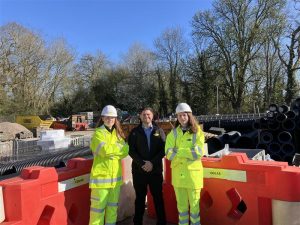 Experience Programme: Under the leadership of Joe Castagna, Colas has developed a work experience programme designed to be both inclusive and impactful. Drawing on his background in teaching and welfare-to-work, Joe has shaped the initiative to provide students with genuine exposure to the highways and construction industry. The programme is not solely focused on immediate employment outcomes; instead, it aims to equip young people with transferable skills, industry awareness, and practical insights that can inform their future career decisions.
Implementation and Good Practice: The programme has been carefully tailored to meet the needs of Year 10 and Year 11 students, recognising that many participants may not be ready to enter the workforce directly. Joe’s approach prioritises value through skill-building and industry engagement, even in cases where employment pathways are not immediately available. A key strength of the initiative lies in its flexibility, allowing Colas to adapt delivery methods based on school requirements and safeguarding protocols.
Safeguarding and compliance have been addressed with creativity and foresight. Joe’s own DBS clearance enabled him to work directly within schools, while more restrictive environments, were accommodated through remote webinars featuring guest speakers. These sessions were complemented by in-person facilitation, ensuring that students still received a meaningful learning experience.
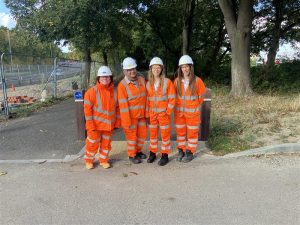
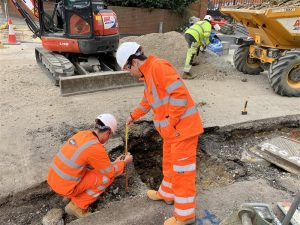
Site visits formed another important component of the programme. While students without a CSCS card were not permitted within active construction zones, they were able to observe operations from safe vantage points, gaining visual insight into real-time project work. For those with appropriate qualifications, such as T-Level students, more immersive site access was arranged.
In addition to field visits, students were introduced to the office-based side of the business. This included direct engagement with teams involved in planning, logistics, and project management, offering a well-rounded view of the industry beyond manual labour or site work.
Challenges, Lessons Learned and Recommendations: Delivering a work experience programme at Colas Ltd has involved navigating logistical and compliance challenges, but strong leadership and a flexible approach have enabled success. Remote and hybrid delivery models, combined with proactive collaboration with schools, have helped overcome barriers and ensure accessibility. A key lesson has been the importance of adaptability, alternative formats can still offer rich learning experiences, and Joe’s educational background has helped bridge the gap between industry and student needs. The programme has shown that work experience offers value beyond employment, helping students build confidence and explore career pathways.
For other employers, Colas’s experience highlights the importance of designing programmes with flexibility from the outset, working closely with schools to align expectations, and using remote tools to overcome logistical constraints. The focus should remain on industry exposure and transferable skills rather than recruitment alone.
How does the work experience programme align with the Equalex framework?
Developed by the Careers & Enterprise Company, Equalex is designed to ensure that work experience is inclusive, scalable, and high quality.
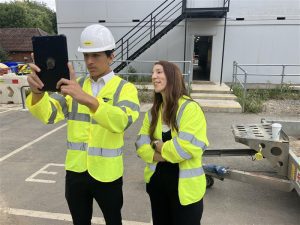
It promotes a multi-experience, multi-year model that supports learners through progressive stages of career readiness – from initial inspiration to active demonstration of skills. Colas’s approach, reflects this structure by offering students a variety of experiences, including site visits, office immersion, and remote webinars. These formats mirror Equalex’s emphasis on flexibility, allowing for hybrid and virtual delivery where needed, and ensuring accessibility for students from different educational settings, including those with additional safeguarding requirements.
Built on the principle of equity, it aims to provide meaningful workplace experiences for all learners, regardless of background or ability. Colas’s commitment to promoting gender diversity in construction – through internal campaigns and gender affinity groups – further supports this goal. By actively encouraging participation from underrepresented groups, Colas contributes to the Equalex vision of a more inclusive workforce.
The programme also supports the Equalex framework’s focus on structured learning outcomes. While Colas is still working toward standardisation across departments, the current model already offers students exposure to transferable skills and industry knowledge, which are key components of Equalex’s outcome-based approach.
In summary, Colas’s work experience programme not only meets the spirit of the Equalex framework but also exemplifies how employers can deliver modern, meaningful, and inclusive experiences that prepare young people for their next steps in education or employment.
How does the work experience meet the updated “Meaningful” Criteria?
The work experience programme aligns well with the meaningful criteria outlined in the 2025 updated Government Guidance. Here’s how each criterion is reflected in the programme:
- Clear Purpose Shared with Employer and Learner: The programme is designed with a clear intent: to provide students with real-world exposure to the highways and construction industry, while equipping them with transferable skills and industry awareness. This purpose is communicated to both learners and participating staff, ensuring alignment and shared expectations.
- Underpinned by Learning Outcomes Appropriate to Learner Needs: Joe has tailored the programme to suit Year 10 and Year 11 students, recognising their varied readiness for employment. The activities – ranging from site visits to office immersion – are structured to build relevant skills and knowledge, even for those not immediately entering the workforce. This learner-centred approach reflects the emphasis on appropriate and progressive learning outcomes.
- Extensive Two-Way Interaction Between Learners and Employees: Students engage directly with Colas staff across different departments. Whether through in-person facilitation, webinars, or office-based tasks, the programme fosters meaningful dialogue and interaction. This two-way engagement helps students understand roles, ask questions, and receive guidance.
- Opportunities to Meet a Range of People from the Workplace: The programme includes exposure to various professionals – from site managers and planners to guest speakers and subcontractors. This diversity of contact helps students gain a broader understanding of the sector and the range of roles available, supporting the goal of varied workplace interaction.
- Oppor
 tunities to Perform a Task or Produce Relevant Work: While not every student may complete a formal project, the programme includes practical tasks and observational learning. Office-based immersion allows students to contribute to planning and logistics discussions, and webinars include interactive elements. These experiences help students connect theory to practice.
- Employer Feedback on Learner Work: Feedback is an embedded part of the programme, particularly in office settings where students’ contributions are acknowledged and discussed. Joe ensures that feedback is constructive and developmental, helping students reflect and improve.
- Opportunities for Learner Reflection: Reflection is encouraged throughout the programme. Students are prompted to consider what they’ve learned, how it applies to future career choices, and what skills they’ve developed.
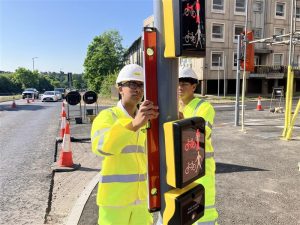 tunities to Perform a Task or Produce Relevant Work: While not every student may complete a formal project, the programme includes practical tasks and observational learning. Office-based immersion allows students to contribute to planning and logistics discussions, and webinars include interactive elements. These experiences help students connect theory to practice.
In summary, the Colas work experience programme not only meets but actively embodies the Equalex criteria for meaningful experiences. It offers a structured, inclusive, and learner-focused model that other employers could look to as a benchmark.